Your cart is currently empty!
Blog
The Indispensable Machine: A Quick Look at the World of Computers
In the blink of an eye, computers have moved from being complex, niche devices to becoming the very foundation of our modern world. Whether you’re streaming your favorite show, managing a global business, or simply reading this blog post, you’re interacting with a computer. But what exactly makes these machines so indispensable?
What is a Computer, Really?
At its core, a computer is an electronic device that manipulates information, or “data”, according to a set of instructions. It’s built on a simple, three-step process:
- Input: Receiving data (e.g., typing on a keyboard, clicking a mouse).
- Processing: The Central Processing Unit (CPU) executing instructions and calculating the data.
- Output: Displaying the results (e.g., showing text on a screen, printing a document).
This fundamental loop allows them to perform incredibly complex tasks at lightning speed.
The Key Components
While there are many types of computers, they all share crucial internal parts:
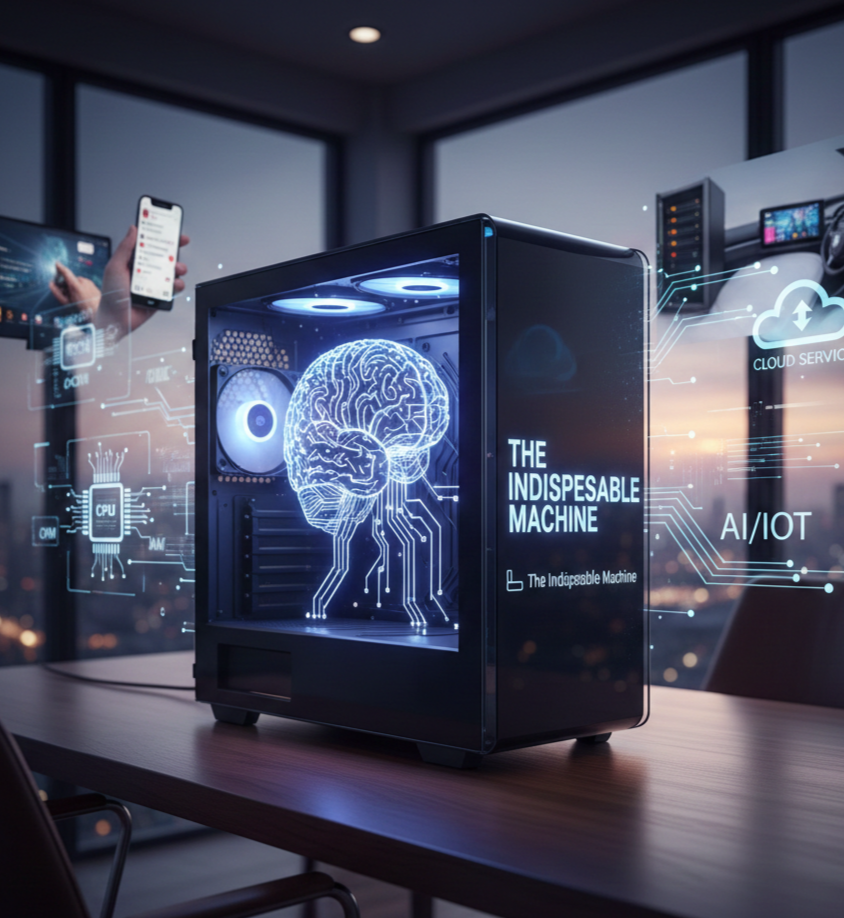
- CPU (Central Processing Unit): The “brain” of the computer, handling all the instructions and calculations. Its speed is critical to overall performance.
- RAM (Random Access Memory): The computer’s short-term memory, used to hold data that is currently being used. More RAM generally means smoother multitasking.
- Storage (HDD/SSD): The long-term memory where your files, applications, and operating system are permanently saved. Solid State Drives (SSDs) are now the standard for speed.
- Operating System (OS): The software that manages all the hardware and allows you to interact with the computer (e.g., Windows, macOS, Linux).
From Desktop to Cloud: The Evolving Landscape
The term “computer” is now incredibly broad. It includes:
- Personal Computers (PCs): Desktops and laptops used for work, gaming, and everyday tasks.
- Servers: Powerful machines that manage resources and data for networks, driving the internet and cloud services.
- Mobile Devices: Smartphones and tablets, which are highly specialized, portable computers that have revolutionized communication.
- Embedded Systems: Tiny, specialized computers found inside cars, appliances, thermostats, and virtually every modern electronic device.
The Future is Computational
As we look ahead, computers will only become more integrated into our lives. With the rise of Artificial Intelligence (AI), Machine Learning, and the Internet of Things (IoT), computers are moving beyond just executing our commands—they are learning, predicting, and interacting with the world in increasingly sophisticated ways.
The computer is not just a tool; it is the engine of the 21st century. Understanding the basics is the first step toward navigating the digital world effectively.